
Caring for a loved one at home often means stepping into roles you never expected — nurse, chauffeur, chef, and sometimes even personal bathing assistant. While helping someone bathe may seem straightforward, it can quickly become one of the more challenging (and stressful) caregiving tasks. Wet floors, slippery surfaces, and limited mobility can turn the bathroom into one of the most dangerous rooms in the home.
That’s why finding safe bathing solutions is so important. From adaptive equipment to simple bathroom modifications, the right approach can protect your loved one from slips and falls while making your job as a caregiver easier and less physically demanding. Among these solutions, walk-in tubs stand out as one of the most effective options, offering not just safety but also comfort, dignity, and a sense of independence.
Why Bathing Can Be Risky for Older Adults or Those with Mobility Challenges
Bathrooms are deceptively hazardous. According to Statistics Canada, a significant percentage of falls among seniors occur in the bathroom, often while getting in or out of the tub or shower. Here’s why bathing can be particularly risky:
-
- Slippery surfaces: Soap and water create a perfect recipe for slips.
-
- High tub walls: Stepping over a traditional tub rim can be difficult for those with reduced mobility or balance issues.
-
- Limited space: Small bathrooms make it hard to manoeuvre with walkers or other assistive devices.
-
- Loss of strength or coordination: Age, illness, or injury can make even light movements more strenuous.
- Loss of strength or coordination: Age, illness, or injury can make even light movements more strenuous.
When these risks combine, they can lead to serious injuries, and for seniors, even a single fall can trigger a cascade of health challenges.
The Caregiver’s Challenge: Balancing Safety and Comfort
Bathing is not just about getting clean — it’s about privacy, relaxation, and self-esteem. For family caregivers, the challenge is to protect physical safety without taking away a loved one’s sense of independence.
Some people may resist assistance, feeling embarrassed or frustrated. Others may have cognitive conditions like dementia that make bathing stressful. And for caregivers, physically supporting a person in and out of the tub can lead to back strain or injury.
This is where walk-in tubs can be a game-changer. They allow the person bathing to maintain more control over the process, while giving you peace of mind knowing that risks are significantly reduced.
What Makes Walk-In Tubs Safer
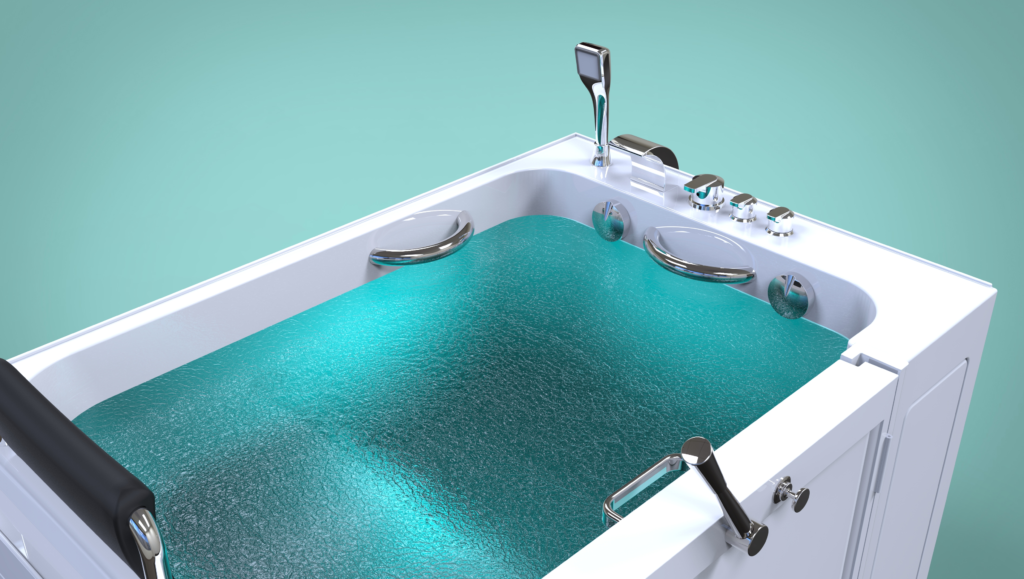
Walk-in tubs are designed with safety features that address the most common hazards of traditional bathtubs:
-
- Low step-in threshold: Instead of lifting a leg over a 14-inch wall, your loved one steps over a threshold as low as 3–7 inches.
-
- Built-in seating: Eliminates the need to lower themselves to the floor of the tub and struggle to get back up.
-
- Slip-resistant flooring: Reduces the chance of losing footing in the tub.
-
- Grab bars and hand-held showers: Support balance and control during bathing.
-
- Leak-proof doors: Allow entry and exit without water on the floor.
- Leak-proof doors: Allow entry and exit without water on the floor.
How to Choose the Right Walk-In Tub for Your Loved One
Not all walk-in tubs are created equal. Before making a decision, consider these factors:
- Size and Fit: Measure your bathroom space carefully. Walk-in tubs come in compact, standard, and oversized models.
- Threshold Height: A lower step-in can be especially important for people with severe mobility issues.
- Seating Comfort: Ensure the built-in seat is at a height and depth that works for your loved one’s body type.
- Therapeutic Features: If your loved one has arthritis, circulation problems, or muscle pain, look for air or water jets.
- Ease of Use: Doors should open and close easily, and controls should be simple to operate.
- Drainage Speed: Quick-drain systems reduce the time spent waiting for the water to empty before getting out.
Tips for Making Bath Time Easier for Both of You
Even with a walk-in tub, small changes to your routine can make a big difference:
-
- Create a bath schedule: Consistency helps reduce resistance or anxiety.
-
- Lay out towels and clothing in advance: This keeps the process smooth and avoids leaving the person unattended.
-
- Adjust water temperature before they enter: Aim for warm, not hot, to avoid burns or discomfort.
-
- Keep essentials within reach: Soap, shampoo, and sponges should be placed on shelves or holders that don’t require bending.
-
- Use a hand-held shower wand: Allows for controlled rinsing without splashing water everywhere.
- Use a hand-held shower wand: Allows for controlled rinsing without splashing water everywhere.
Addressing Emotional Concerns Around Bathing Assistance
Sometimes the biggest obstacle isn’t physical — it’s emotional. Many people find it uncomfortable to accept help with personal hygiene. As a caregiver, you can make this easier by:
-
- Explaining the safety reasons for any changes.
-
- Offering as much privacy as possible, such as turning away while they undress.
-
- Encouraging them to do as much as they can independently.
-
- Using positive language — “Let’s do this together” rather than “I have to help you.”
These small adjustments can reduce embarrassment and make bath time more cooperative.
Financial Considerations and Support
Walk-in tubs are an investment, but they can also prevent costly injuries and hospital visits. In Canada, some provinces offer tax credits or grants for home accessibility renovations.
For example:
-
- Medical Expense Tax Credit: You can claim the cost if a medical professional prescribes it.
-
- Home Accessibility Tax Credit: Applies to renovations that make a home safer or more accessible for seniors or those with disabilities.
- Home Accessibility Tax Credit: Applies to renovations that make a home safer or more accessible for seniors or those with disabilities.
Safety Bath can also guide you through available funding programs and help you choose an option that works within your budget.
Bringing It All Together
Bathing should never be a source of fear for you or your loved one. With safe bathing solutions like walk-in tubs, you can transform a high-risk task into a comfortable, even enjoyable, part of the day. The key is to choose equipment that suits your loved one’s needs, prepare the environment for safety, and maintain a respectful, supportive approach.
As a caregiver, your role is demanding enough. You deserve tools and strategies that make your work safer and your loved one’s life better. A walk-in tub may just be one of the smartest — and most compassionate — investments you can make.