
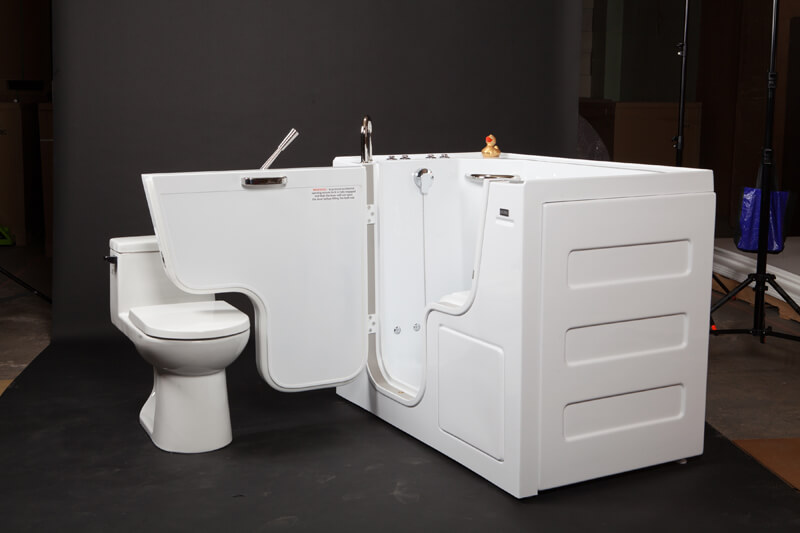
When it comes to accessible bathing, one size definitely does not fit all. For individuals with larger body types, comfort and safety in the bathroom often depend on finding the right fit — literally. That’s where bariatric walk-in tubs come in.
Designed with wider doors, reinforced frames, and higher weight capacities, these tubs provide secure, independent bathing for users who need extra space and stability. Whether you’re aging in place, managing mobility challenges, or caring for a loved one, a heavy-duty walk-in tub can transform your bathroom into a safer, more comfortable space.
In this guide, we’ll explore what makes bariatric walk-in tubs different, how they support larger users, and what features to look for when choosing one for your home.
Understanding Bariatric Walk-In Tubs
“Bariatric” refers to products designed to support individuals with higher body weights — typically rated to hold 300 to 600 pounds or more, depending on the model. In the context of walk-in tubs, bariatric designs combine durability, comfort, and ease of access without compromising safety.
While all walk-in tubs feature a low step-in threshold and a watertight door, bariatric models go further:
-
- Wider seat and door openings (often 24–30 inches).
-
- Reinforced floors and walls made from fibreglass or marine-grade gel coat.
-
- Stronger door hinges and seals to handle greater pressure and water weight.
-
- An extended interior space for easier movement and a more comfortable bathing position.
- An extended interior space for easier movement and a more comfortable bathing position.
These features ensure that users don’t feel confined or restricted while bathing — something that can make a major difference in both comfort and confidence.
Why Choose a Bariatric Walk-In Tub?
1. Enhanced Comfort and Space
Traditional bathtubs often feel narrow or unstable for larger individuals. Bariatric models solve this by offering extra room to sit, stretch, and turn, creating a more natural bathing experience. The wider seat allows users to maintain good posture, while contoured edges reduce pressure points on the back and hips.
Some premium models even include adjustable or removable seats, allowing users to customize space according to their comfort and mobility needs.
2. Reinforced Safety and Stability
Safety is the cornerstone of every walk-in tub — but it’s even more critical for bariatric users. These heavy-duty tubs feature reinforced frames, slip-resistant floors, and high-strength grab bars anchored directly to the structure.
Every element is engineered to support additional weight without bending, warping, or shifting. The door seal system is also designed for higher internal pressure, ensuring a watertight experience that stays reliable over years of use.
3. Improved Accessibility
For those with mobility challenges, entry and exit can be the most difficult part of bathing. Bariatric tubs feature low step-in heights (often 5–7 inches) and wide, inward-swinging doors that make transfers from a wheelchair, walker, or standing position easier.
Paired with textured flooring and ergonomic handrails, these features provide stable footing and hand support, reducing the risk of slips and falls — the leading cause of bathroom injuries among adults
.
4. Dignity and Independence
The goal of a bariatric walk-in tub isn’t just safety — it’s independence. By making it easier to bathe without assistance, these tubs restore privacy and confidence.
For caregivers, they also make hygiene routines safer and more efficient. Many models are designed for easy reach, so assistance can be provided without strain or awkward angles.
Key Design Features That Matter
When shopping for a heavy-duty or bariatric model, several technical and ergonomic features should be considered. These determine not only comfort but also the long-term durability of your investment.
Reinforced Frame and Floor Base
A strong structural foundation is essential. High-quality bariatric walk-in tubs use reinforced stainless steel or fibreglass framing to distribute weight evenly. The base should feel solid and stable underfoot — no flexing or movement when filled.
At Safety Bath, for instance, the tubs are manufactured with a rigid frame system and slip-resistant moulded floor, ensuring stability even under full water and user weight.
Wide, Accessible Door
Door design plays a huge role in usability. Look for models with extra-wide openings (at least 24 inches) and leak-proof latching systems. Some tubs offer outward-swinging doors, which can provide easier access for users with limited leg movement or for those using transfer devices.
Outward doors require additional clearance in the bathroom, so it’s worth measuring your available space before choosing your model.
Comfortable, Elevated Seating
A higher seat (typically 17–19 inches from the floor) makes standing up and sitting down much easier. The seat should be wide enough for comfort yet shaped to keep users stable and supported throughout the bath.
Optional cushioned or contoured seating adds extra comfort for longer soaks, while heated backrests provide soothing warmth that promotes relaxation and circulation.
Hydrotherapy and Massage Options
Beyond accessibility, bariatric tubs can also deliver spa-like therapeutic benefits. Air and water jet systems provide gentle hydrotherapy massage, which helps relieve muscle tension, improve circulation, and reduce joint pain — particularly for those managing arthritis, diabetes, or chronic pain.
For larger users, it’s important to choose a system with strong, adjustable jets that deliver consistent pressure across the body.
Drainage and Water Supply
Heavier tubs hold more water, so a fast-fill and quick-drain system is crucial. High-capacity drains (often dual-drain designs) can empty the tub in under two minutes, preventing long wait times after bathing.
You’ll also want to verify that your plumbing can handle the increased water volume. A professional installer, such as the technicians at Safety Bath, can assess your home’s setup and recommend the proper valves and connections for safe operation.
Installation and Space Planning
Before purchasing a bariatric walk-in tub, it’s important to plan for proper installation. These tubs are larger and heavier than standard models, so a bit of preparation goes a long way.
Measuring for Fit
Start by measuring your bathroom doorway and available floor space. Most bariatric tubs require a minimum door width of 30–36 inches to move the unit into place. Consider the space needed for the door to open fully — especially if you choose an outward-swinging model.
If your bathroom is on an upper floor, your installer will assess whether your floor joists can safely support the combined weight of the tub, user, and water. Reinforcement may be necessary in older homes.
Plumbing and Electrical Requirements
Because bariatric tubs hold more water and often include powered hydrotherapy systems, professional installation is essential.
Hydrotherapy models require a dedicated electrical connection (usually a 15–20 amp GFCI circuit). Water supply lines may also need to be upgraded to allow faster filling and draining.
Tip: When comparing products, ask for detailed plumbing and electrical specifications in advance so you can budget for any upgrades during installation.
Professional Installation Matters
While DIY installation might seem tempting, walk-in tubs — especially bariatric ones — should always be installed by a licensed plumber and electrician. This ensures the system operates safely and that warranties remain valid.
Safety Bath’s certified installers handle every detail: plumbing, electrical work, seal testing, and user orientation. Before they leave, they’ll walk you through how to safely enter, exit, and operate your new tub.
Comparing Bariatric Walk-In Tubs: What to Look For
Here’s a side-by-side look at the key differences between standard and bariatric walk-in tubs:
| Feature | Standard Walk-In Tub | Bariatric Walk-In Tub |
| Seat Width | 17–20 inches | 24–30 inches |
| Door Width | 16–20 inches | 24–32 inches |
| Weight Capacity | Up to 300 lbs | 400–600+ lbs |
| Construction | Standard fibreglass or acrylic | Reinforced fibreglass or steel frame |
| Drain System | Single standard drain | Dual high-flow drains |
| Comfort Features | Optional jets | Adjustable hydrotherapy systems |
| Ideal For | Small to medium body types | Larger body types or mobility assistance |
This comparison helps visualize why bariatric walk-in tubs are not just “bigger versions” — they’re engineered differently for long-term safety and comfort.
Long-Term Value and Maintenance
Built to Last
A properly installed bariatric walk-in tub can last 15–20 years or more with regular care. The reinforced frame, marine-grade finishes, and heavy-duty door hardware are designed to withstand daily use without wear or leaks.
Simple Cleaning
Most models feature non-porous gel-coat surfaces, which resist mould and mildew. After each bath, a quick rinse with warm water and mild soap is all that’s needed. Avoid harsh chemicals or abrasives, as they can damage seals and finishes.
Routine Servicing
For hydrotherapy models, an annual inspection helps ensure that jets, pumps, and seals remain in peak condition. If your system includes heated components or air-drying features, professional servicing every few years is recommended.
Health and Wellness Benefits
Beyond accessibility, bariatric walk-in tubs offer numerous physical and emotional wellness benefits.
-
- Reduced joint and muscle pain: Warm water immersion supports body weight, easing pressure on joints.
-
- Improved circulation: Hydrotherapy jets stimulate blood flow and help reduce swelling.
-
- Better sleep quality: Evening baths in warm water can promote relaxation and deeper rest.
-
- Enhanced confidence and mental well-being: The ability to bathe independently restores dignity and reduces stress for users and caregivers alike.
- Enhanced confidence and mental well-being: The ability to bathe independently restores dignity and reduces stress for users and caregivers alike.
For people managing conditions such as arthritis, obesity-related pain, or mobility challenges, regular hydrotherapy can become an essential part of at-home wellness.
Cost Considerations
The price of a bariatric walk-in tub varies depending on size, features, and installation needs.
Base models typically start around $5,000–$7,000, while high-end systems with hydrotherapy and advanced safety features can range between $10,000–$15,000 (including installation).
While the investment is significant, it often replaces the need for assisted bathing or costly bathroom modifications later. In many cases, homeowners find that a single, well-chosen accessibility upgrade extends their ability to live safely and comfortably at home for years.
Tip: Some insurance plans, veterans’ benefits, or accessibility grant programs may help offset the cost of installation. Safety Bath’s team can guide available options for Alberta and across Canada.
Accessibility Standards and Compliance
When choosing a bariatric or accessible bathtub, look for models that meet CSA (Canadian Standards Association) and ASME (American Society of Mechanical Engineers) certification standards.
These certifications confirm that:
-
- The door seals and drains are tested for long-term water pressure.
-
- Grab bars, seating, and surfaces meet slip-resistance and load-bearing standards.
-
- Electrical components are GFCI-protected and safe for wet environments.
- Electrical components are GFCI-protected and safe for wet environments.
Safety Bath tubs are manufactured and tested in Canada, ensuring every component meets national safety and performance standards.
Who Benefits Most from a Bariatric Walk-In Tub
A bariatric tub can improve life for:
-
- Individuals with larger body types seeking more comfortable, accessible bathing.
-
- Adults with limited mobility or joint pain.
-
- Seniors aging in place who want to reduce fall risks.
-
- Caregivers assisting family members with bathing.
- Caregivers assisting family members with bathing.
Even beyond accessibility, many homeowners choose these tubs simply for their comfort, spa-quality experience, and peace of mind.
Why Choose Safety Bath
Founded in Canada and trusted across North America, Safety Bath has spent decades helping families live safer, more independent lives. Our walk-in tubs — including bariatric models — are designed, manufactured, and tested right here in Canada to meet our unique standards for safety and quality.
When you work with our team, you can expect:
-
- Personalized consultations to match your needs and space.
-
- Professional installation by certified technicians.
-
- Lifetime warranty on door seals and components (on qualifying models).
-
- Canadian-based customer support when you need it most.
- Canadian-based customer support when you need it most.
Whether you’re upgrading your current tub or designing an accessible bathroom from scratch, we’ll help you find a solution that fits your lifestyle and your space.
The Bottom Line
For individuals with larger body types or mobility concerns, a bariatric walk-in tub offers more than just space — it offers confidence, independence, and comfort.
With reinforced construction, extra-wide entryways, and soothing hydrotherapy options, these tubs are built to support your well-being for years to come.
If you’re exploring options for your home or a loved one, the experts at Safety Bath can help you assess your needs, compare models, and plan a seamless installation.
Contact Safety Bath today to schedule a consultation and discover how the right walk-in tub can make bathing safer, easier, and more enjoyable — every single day.