
When bathing becomes a balancing act instead of a relaxing daily routine, safety suddenly matters more than style. Many Canadian homeowners eventually reach a point where they begin looking at their bathtub with a raised eyebrow — especially if mobility changes, joint pain, or caregiver support have become part of their everyday reality. This often leads to one big question: Is a traditional bathtub still safe enough, or is it time for something more accessible?
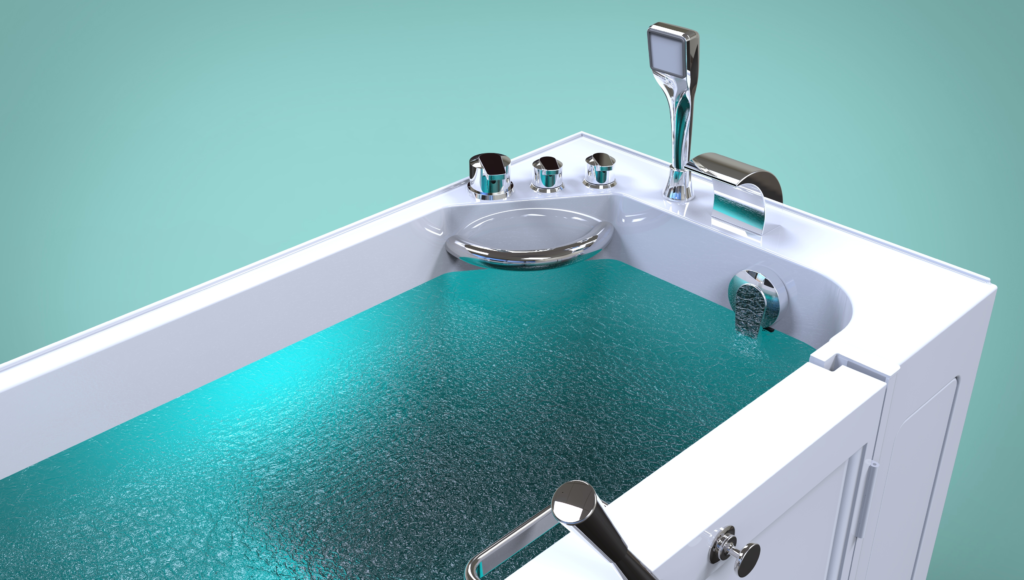
That’s where walk-in tubs for senior safety step into the spotlight. These specialized tubs are designed with thoughtful features that reduce risk and increase independence. But how do they truly compare to the classic bathtub most of us have lived with for decades? And more importantly, where do the biggest safety differences actually show up?
Let’s explore both options with clarity, practicality, and a touch of honest humour — because nothing about bathing should feel intimidating or clinical.
The Entry: Stepping In vs. Walking In
The moment you enter a bathtub, you’re either safe… or one slippery misstep away from a dramatic retelling at family dinner.
Traditional Bathtub Entry
The standard tub requires lifting your leg 18 inches or more over a hard edge, often while balancing on one foot on a wet floor. Even healthy adults occasionally wobble, and those with knee issues, reduced balance, or arthritis face an even greater challenge.
Bathrooms are one of the top areas for falls in the home, and this step-over motion is usually the culprit.
Walk-In Tub Entry
Walk-in tubs reduce the threshold dramatically — often to just 3–7 inches. You open the door, step in at floor level, and close it behind you. It’s a small detail with an enormous safety impact. That lower step-in height eliminates one of the bathroom’s biggest risk points.
For seniors, people living with chronic pain, or anyone who wants security without sacrificing comfort, the difference is night and day.
Stability and Support: Smooth Walls vs. Strategic Handholds
Everyone has had that moment in a traditional tub where they reach for a towel bar and think, “This will hold my weight, right?” It rarely does. (Towel bars are actually designed for… towels. Unfortunately.)
Traditional Bathtub Stability
Most traditional tubs offer no built-in safety supports. If grab bars have been added, they’re helpful — but they still don’t address the tub’s slippery base. Many injuries happen inside the tub, not just when entering or exiting.
Walk-In Tub Stability
Walk-in tubs come with safety built into the design, including:
-
- Supportive, strategically placed grab bars.
-
- Slip-resistant flooring.
-
- Textured seating.
-
- A high-grip interior surface.
-
- Low centre-of-gravity seating for better balance.
- Low centre-of-gravity seating for better balance.
This combination significantly reduces the chances of slipping, sliding, or relying on décor items that have no business supporting your body weight.
Seating: Sitting Down Safely vs. Lowering Too Far
Sitting in a bath should not feel like a gym exercise. Yet for many seniors, lowering themselves into a traditional tub is tough — and getting back up can be even tougher.
Traditional Bathtub Seating
You sit at the bottom of the tub. That means:
-
- Lowering your full body weight.
Maintaining balance while lowering.
- Lowering your full body weight.
-
- Pushing yourself back up with wet hands.
-
- Knees and hips are doing most of the heavy lifting.
- Knees and hips are doing most of the heavy lifting.
For individuals with limited mobility or strength, this is one of the biggest barriers to independent bathing.
Walk-In Tub Seating
Walk-in tubs come with a built-in, chair-height seat. You step in, sit down easily, and remain at a comfortable height the entire time. It removes all the strain from your knees, back, and shoulders — and it makes standing up just as straightforward.
The seating alone is a major safety upgrade, offering stability and relief from start to finish.
Water Depth and Control: Shallow Comfort vs. Deep Soaking
This is where many people get pleasantly surprised.
Traditional Tub Depth
Standard tubs typically offer 12–14 inches of water depth. It’s functional, but not exactly spa-like — especially when you’re dealing with joint stiffness or muscle pain.
Walk-In Tub Depth
Walk-in tubs provide up to 36 inches of water depth, allowing a therapeutic full-body soak while remaining comfortably seated.
But safety-wise, the depth isn’t the biggest factor — it’s the control.
Walk-in tubs are filled after you step in and drained before you step out. Instead of handling water at full height, you’re always safe and seated.
Slipping Hazards: Smooth Porcelain vs. Anti-Slip Engineering
Traditional tubs were designed decades ago with aesthetics in mind, not safety.
Traditional Tub Slip Risks
Porcelain and acrylic surfaces become slippery when wet. Add soap or bath oils, and you’ve got a perfect storm for an unplanned acrobatic routine.
Walk-In Tub Slip Prevention
Walk-in models include:
-
- Slip-resistant floors.
-
- Grip-enhancing textures.
-
- Stable seating.
-
- Built-in grab bars.
- Built-in grab bars.
Everything works together to reduce risk. Even if mobility isn’t a concern yet, these design features make bathing more secure for people of all ages.
Temperature Control: One Risk We Don’t Think About Enough
Hot water scalds are more common than most homeowners realize — especially among seniors with slower reaction times.
Traditional Tub Risks
Standard taps require manual temperature mixing. A sudden surge of hot water can quickly exceed safe levels.
Walk-In Tub Safety
Many walk-in tubs include:
-
- Anti-scald valves.
-
- Easily reachable controls.
-
- Precise temperature regulation.
- Precise temperature regulation.
It’s comfortable with much less risk, ensuring every bath stays safe from start to finish.
The Emergency Factor: Getting Out Quickly
One safety consideration often overlooked is how easily a person can exit the tub if they feel faint, dizzy, or suddenly unwell.
Traditional Tub Exit
Exit requires:
-
- Standing on a slippery surface.
-
- Lifting a leg over a high edge.
-
- Balancing while stepping down onto a wet floor.
- Balancing while stepping down onto a wet floor.
It’s a lot — especially under physical stress.
Walk-In Tub Exit
Walk-in tubs allow users to simply:
-
- Open the door.
-
- Stand from a raised seat.
-
- Step out with minimal elevation change.
- Step out with minimal elevation change.
The process is safer and far more stable, reducing the chance of an emergency turning into a fall.
Support during unexpected moments is an underrated part of bathroom design. When someone feels weak, lightheaded, or stiff from pain, the simplicity of stepping out safely (without climbing or overreaching) becomes essential. This is one of the reasons walk-in tubs are widely recognized as a proactive safety upgrade rather than a reaction to declining mobility.
Independence and Confidence: The Emotional Safety Factor
Safety isn’t only physical. There’s an emotional side to bathing that often gets overlooked. Many seniors begin adjusting their routines out of fear — avoiding baths altogether, relying more on showers, or needing a family member nearby “just in case.” That loss of freedom can feel discouraging.
Traditional Bathtub Limitations
Traditional tubs often require:
-
- Extra caution when stepping in and out.
-
- Assistance getting up from a low seated position.
-
- A caregiver’s physical support for balance.
- A caregiver’s physical support for balance.
Even highly independent adults may start opting for quicker, less comfortable showers simply because the tub feels risky.
Walk-In Tub Empowerment
Walk-in tubs promote autonomy by offering:
-
- A safe, stable environment.
-
- Stress-free entry and exit.
-
- Comfortable, ergonomic seating.
-
- Easy-to-reach controls.
-
- Reduced need for physical assistance.
- Reduced need for physical assistance.
This boosts confidence, encourages consistent hygiene, and restores a sense of dignity — something every Canadian, regardless of age, deserves to maintain.
Caregiver Benefits: Supporting Someone Without Strain
Caregivers play a crucial role in many households, and safe bathing setups can significantly reduce their physical burden.
Traditional Tub Challenges
Caregivers often have to:
-
- Support a person’s full weight during transfer.
-
- Help lift legs over the tub wall.
Assist in lowering or raising someone from the bottom of the tub.
- Help lift legs over the tub wall.
-
- Lean at awkward angles, increasing their risk of injury.
- Lean at awkward angles, increasing their risk of injury.
It’s a difficult, physically demanding task.
Walk-In Tub Advantages
Walk-in tubs simplify caregiving by offering:
-
- Seated bathing from start to finish.
-
- Minimal lifting.
-
- Stable surfaces to assist with.
-
- Accessible controls and doors.
- Accessible controls and doors.
This leads to safer, more comfortable experiences for both the caregiver and the bather.
Hydrotherapy and Circulation Support
Safety isn’t only about preventing accidents — it’s also about promoting long-term physical wellness. Walk-in tubs are known for their therapeutic features, which can help reduce conditions that increase fall risk in the first place, like stiffness or chronic pain.
Traditional Tub Limitations
Traditional tubs offer relaxation, but:
-
- Water depth is shallow.
-
- There are no therapeutic jets.
-
- Temperature retention varies.
-
- The seating position is less ergonomic.
- The seating position is less ergonomic.
As a result, they don’t always support relief for muscle tightness or joint discomfort.
Walk-In Tub Benefits
Walk-in tubs can include:
-
- Hydrotherapy jets.
-
- Air bubble systems.
-
- Deep soaking capability.
-
- Heated seating.
-
- Fast-fill and quick-drain systems.
- Fast-fill and quick-drain systems.
Improved circulation, reduced pain, and relaxed muscles not only feel good — they contribute to easier movement and greater stability afterward.
Addressing the Myth: “Walk-In Tubs Take Too Long to Fill or Drain”
This is a common misconception. While early walk-in tub models were slower, modern versions have been engineered with the user in mind.
Today’s models typically include:
-
- Rapid-fill valves.
-
- High-flow drain systems.
-
- Well-insulated surfaces to keep water warm.
- Well-insulated surfaces to keep water warm.
Most fill-and-drain cycles are quick enough that users remain comfortable. And during soaking, the upright seated position keeps you warm and relaxed until the tub fully empties.
Accessibility for Different Mobility Levels
People often think walk-in tubs are “only for seniors.” The reality is that they serve a broad spectrum of needs.
Traditional Tub Anyone?
To safely use a traditional tub, a person generally requires:
-
- Strong balance.
-
- Good leg strength.
-
- Comfortable flexibility.
-
- Reliable stability.
- Reliable stability.
If any of these change, safety decreases.
Walk-In Tub Inclusivity
Walk-in tubs accommodate:
-
- Seniors.
-
- Individuals recovering from injury.
-
- People with arthritis or chronic pain.
-
- Adults using mobility aids.
-
- Those wanting to age in place.
- Those wanting to age in place.
Their universal design makes bathing safer for households with multigenerational needs, not just one age group.
Cost vs. Value: Thinking Long-Term
Price is always part of the conversation, and it should be. But cost and value aren’t the same thing.
Traditional Tub Costs
A standard replacement tub is inexpensive. Installation might be straightforward. However, the safety limitations remain. And if a fall occurs, the outcome can be costly — both financially and emotionally.
Walk-In Tub Value
Walk-in tubs are a larger investment upfront, but they offer:
-
- Long-term safety.
-
- Therapeutic benefits.
-
- Reduced fall risk
-
- Comfort that improves daily quality of life
-
- The ability to remain independent longer.
- The ability to remain independent longer.
When compared with the expenses of renovations after a fall, medical bills, or long-term care, the value becomes very clear.
Design and Aesthetic Improvements
Older walk-in tubs used to look purely functional. Today? Not at all.
Modern designs combine:
-
- Spa-like aesthetics.
-
- Clean lines.
-
- Stylish finishes.
-
- Compact footprints.
-
- Options that fit small or large bathrooms.
- Options that fit small or large bathrooms.
Homeowners often find that a walk-in tub elevates the overall look of the space — and adds resale appeal for buyers seeking accessible homes.
Making the Right Choice: What Safety Bath Recommends
Choosing between a traditional tub and a walk-in model depends on your lifestyle, health needs, and comfort preferences. Here’s a simplified guide:
Choose a Traditional Tub If:
-
- You have full mobility.
-
- You prefer quick showers.
-
- Bathing is not physically challenging.
-
- You don’t require therapeutic features.
- You don’t require therapeutic features.
Choose a Walk-In Tub If:
-
- Stability is a concern.
-
- You want to reduce fall risk.
-
- You have joint pain or mobility challenges.
-
- You want deeper soaking and hydrotherapy.
-
- Aging in place is a priority.
-
- You want a safer option for visitors or family members.
- You want a safer option for visitors or family members.
For many households, especially those planning long-term, the walk-in model offers more peace of mind.
Why Homeowners Trust Safety Bath
Safety Bath has been a leader in walk-in bathtub design for decades, focusing on comfort, quality, and user-first features. Their tubs are built for real people with real needs — not for showroom displays. Each model is engineered to prevent falls, enhance independence, and create a calming bathing experience without compromising safety.
From secure entry doors to slip-resistant flooring to advanced hydrotherapy options, each detail is designed with intention. Homeowners appreciate the reliability, durability, and thoughtful craftsmanship that set Safety Bath apart.
Traditional bathtubs are familiar, simple, and affordable — but they’re not built with modern safety needs in mind. Walk-in tubs, on the other hand, offer a safer, more supportive, and more comfortable bathing experience, especially for seniors or anyone facing mobility changes.
Whether you’re future-proofing your home, supporting an aging loved one, or simply wanting a more confidence-building daily routine, a walk-in tub can transform the way you bathe. And with Safety Bath’s trusted Canadian craftsmanship, the upgrade comes with quality you can depend on.