
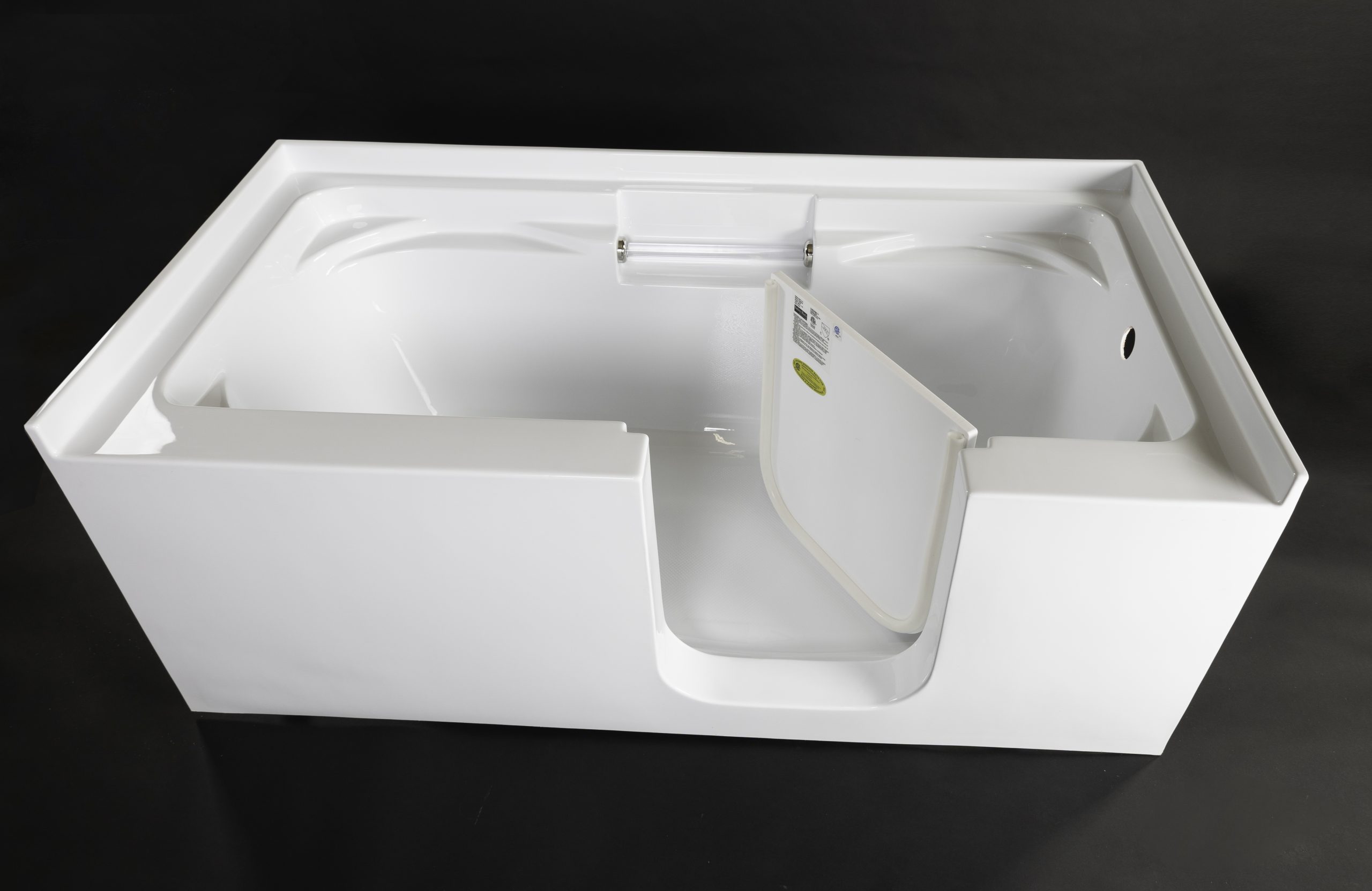
Choosing a walk-in tub is not just about comfort. It is about safety, independence, and confidence in your own home. The right tub can reduce fall risk, ease daily routines, and help you maintain dignity as mobility changes over time.
For homeowners and caregivers alike, the challenge is knowing which features actually matter. With so many models, upgrades, and options available, it is easy to overspend on features you do not need or, worse, choose a tub that does not truly support your mobility level.
If you are researching the best walk-in tubs for mobility issues, this guide will help you match the right tub to your current needs and plan wisely for the future.
Why Mobility Level Matters When Choosing a Walk-In Tub
Mobility is not one-size-fits-all. Some people need help stepping over a standard tub wall. Others require seated bathing, grab bars, or even wheelchair access. Choosing the wrong tub can turn a safety solution into a daily frustration.
Your mobility level determines:
-
- How high the tub threshold should be.
-
- Whether you need outward or inward swinging doors.
-
- If built-in seating is enough, or if a transfer seat is required.
-
- What type of controls and faucets are safest and easiest to use.
- What type of controls and faucets are safest and easiest to use.
The right match makes bathing safer and simpler. The wrong one can still leave you struggling.
Understanding Common Mobility Levels
Before reviewing tub features, it helps to understand where you or your loved one falls on the mobility spectrum.
Mild Mobility Limitations
You may experience stiffness, balance issues, or difficulty stepping over a traditional tub wall, but you can still walk independently.
Moderate Mobility Challenges
Standing for extended periods is difficult. You may use a cane or walker and prefer to sit while bathing.
Limited Mobility
You may need assistance transferring in and out of the tub, or you may require a wider door, additional grab bars, and a minimal step height.
Wheelchair or Caregiver-Assisted Bathing
You require roll-in access, extra interior space, or caregiver-friendly controls.
Knowing your category helps narrow down the features that actually matter.
Walk-In Tub Features That Matter Most by Mobility Level
Low-Threshold Entry for Mild Mobility Issues
For users with mild mobility concerns, step height is often the most significant barrier. Look for tubs with:
-
- Ultra-low thresholds, often 2 inches or less.
-
- Non-slip flooring.
-
- Easy-open doors.
- Easy-open doors.
These tubs feel familiar but remove the most dangerous part of traditional bathing: stepping over a high wall.
Built-In Seating for Moderate Mobility Needs
If standing is uncomfortable or unsafe, built-in seating becomes essential. A good walk-in tub for this level includes:
-
- Contoured, chair-height seating.
-
- Anti-slip seat surfaces.
-
- Strategically placed grab bars for sitting and standing.
- Strategically placed grab bars for sitting and standing.
This allows users to bathe comfortably without fatigue or fear of slipping.
Transfer-Friendly Design for Limited Mobility
When mobility is more restricted, transferring safely into the tub is critical. Look for:
-
- Extra-wide doors.
-
- Outward-swinging doors for easier access.
-
- Lower seat heights for smooth transfers.
-
- Handheld showerheads with long hoses.
- Handheld showerheads with long hoses.
These features reduce joint strain and make assisted bathing safer for everyone involved.
Wheelchair-Accessible and Caregiver-Friendly Options
For wheelchair users or those needing full assistance, standard walk-in tubs may not be enough. Consider:
-
- Roll-in or bariatric walk-in tubs.
-
- Wider interiors for caregiver support.
-
- Controls accessible from a seated position.
-
- Anti-scald valves and temperature limiters.
- Anti-scald valves and temperature limiters.
At this level, customization is key.
Door Style: Why It Makes a Bigger Difference Than You Think
The door is one of the most overlooked aspects of a walk-in tub, yet it directly impacts ease of use.
-
- Inward-swing doors save bathroom space but may be harder to maneuver around.
-
- Outward-swing doors are easier for users with limited mobility and caregivers.
- Outward-swing doors are easier for users with limited mobility and caregivers.
For moderate to severe mobility issues, outward-swinging doors often provide the safest experience.
Control Placement and Ease of Use
Mobility issues often come with reduced grip strength or dexterity. The best walk-in tubs prioritize:
-
- Large, clearly labelled controls.
-
- Simple on-off levers rather than small knobs.
-
- Easy-to-reach faucets while seated.
- Easy-to-reach faucets while seated.
Digital controls may look appealing, but simplicity usually wins when safety is the goal.
Hydrotherapy: Comfort Feature or Mobility Aid?
Hydrotherapy jets are often marketed as luxury upgrades, but for many users, they provide real benefits.
Hydrotherapy may help with:
-
- Joint stiffness.
-
- Muscle pain.
-
- Circulation issues.
- Circulation issues.
However, if mobility is severely limited, prioritize safety features. Jets are beneficial, but only after accessibility needs are fully met.
Drain Speed and Safety Considerations
A common concern with walk-in tubs is waiting for the water to drain before opening the door. Modern tubs address this with:
-
- Fast-drain technology.
-
- Dual drain systems.
- Dual drain systems.
For users with limited mobility or circulation issues, faster draining reduces discomfort and risk.
Planning for Future Mobility Changes
One of the biggest mistakes homeowners make is buying a tub that only fits their current mobility level.
Ask yourself:
-
- Will my mobility likely change in the next 5 to 10 years?
-
- Would this tub still work if I needed a walker or caregiver assistance?
- Would this tub still work if I needed a walker or caregiver assistance?
Choosing a slightly more adaptable model can prevent costly replacements later.
Bathroom Size and Layout Still Matter
Even the best walk-in tub must fit safely into your bathroom. A professional assessment ensures:
-
- Door clearance is adequate.
-
- Grab bars are placed correctly.
-
- Plumbing and electrical needs are met.
- Plumbing and electrical needs are met.
Companies like Safety Bathtubs often offer in-home consultations to ensure the tub fits your space and meets your mobility needs.
Common Mistakes to Avoid When Choosing a Walk-In Tub
-
- Choosing based on price alone.
-
- Overlooking door swing direction.
-
- Ignoring control accessibility.
-
- Failing to plan for future mobility decline.
-
- Skipping professional installation.
- Skipping professional installation.
A walk-in tub is a long-term investment. Cutting corners can compromise safety.
How Caregivers Should Evaluate Walk-In Tubs
If you are choosing a tub for a loved one, consider:
-
- Ease of assisting transfers.
-
- Clear sightlines into the tub.
-
- Non-slip surfaces and sturdy grab bars.
-
- Emergency access options.
- Emergency access options.
A caregiver-friendly design protects both the user and the helper.
The Role of Professional Installation
Proper installation is just as important as the tub itself. Professional installers ensure:
-
- Correct sealing and waterproofing.
-
- Secure grab bar placement.
-
- Safe electrical connections for powered features.
- Safe electrical connections for powered features.
This is not a DIY upgrade.
Final Thoughts: Match the Tub to the Person, Not the Trend
The right walk-in tub should fit your mobility level, lifestyle, and future needs, not just what looks impressive in a brochure.
Whether you are dealing with mild balance issues or more complex mobility challenges, choosing thoughtfully can transform bathing from a stressful task into a safe, comfortable routine.
If you are unsure where to start, a personalized assessment from an experienced provider can help you navigate your options with confidence. When safety, independence, and peace of mind are the goal, the right walk-in tub makes all the difference.