
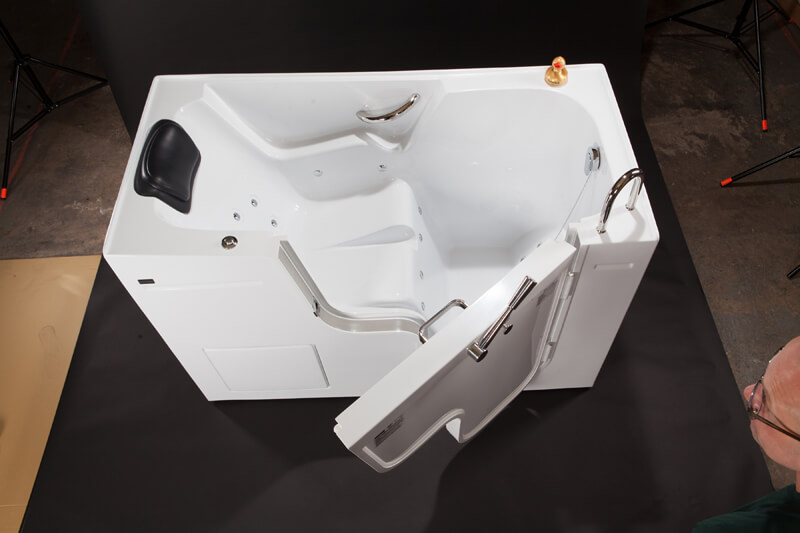
Slippery tubs and high step-ins are one of the most common causes of injuries at home, especially for seniors and anyone with mobility challenges. A walk-in tub can dramatically reduce those risks, adding comfort, independence, and peace of mind.
But once homeowners start shopping, a practical question quickly surfaces: How do we pay for it? The good news is that walk-in tubs are more financially accessible than many people realize, thanks to a wide range of financing and assistance programs.
In this guide, we’ll break down walk-in tub financing options — no fine print headaches required. Whether you’re planning ahead, helping a parent age safely at home, or upgrading your own bathroom, you’ll walk away knowing exactly which choices are available and which may best fit your situation.
Why Walk-In Tubs Are Worth the Investment
Before talking dollars and cents, it helps to understand why homeowners choose walk-in tubs in the first place.
Walk-in tubs are not luxury upgrades disguised as safety features. They are purpose-built solutions designed to reduce falls, minimize joint strain, and make daily bathing manageable again. Many models include:
-
- Low or zero-threshold entry.
-
- Built-in seating.
-
- Anti-slip flooring.
-
- Grab bars.
-
- Optional hydrotherapy jets.
- Optional hydrotherapy jets.
Beyond safety, they often support long-term independence. Aging at home is almost always more affordable (and emotionally comfortable) than assisted living or long-term care. Seen through that lens, a walk-in tub isn’t just a bathroom upgrade. It’s a preventative investment.
Understanding the True Cost of a Walk-In Tub
Pricing varies depending on size, features, and installation complexity, but most walk-in tub projects fall into three cost areas:
-
- The tub itself: Base models cost less; premium features add more.
-
- Installation and plumbing: May involve electrical upgrades or adjustments to drains.
-
- Bathroom modifications: Flooring, wall finishes, or doorway changes in some homes.
While the upfront price can feel significant, financing spreads that cost into manageable monthly payments — often comparable to other household expenses.
Walk-In Tub Financing Options Explained
Let’s break down the most common financing paths, starting with the ones homeowners use most often.
1. Manufacturer or Dealer Financing
Many walk-in tub providers offer in-house or partnered financing programs. These are designed specifically for accessibility upgrades and are often the most straightforward option.
Common features include:
-
- Fixed monthly payments.
-
- Short- or long-term repayment options.
-
- Promotional interest rates for qualified buyers.
-
- Quick approval processes.
- Quick approval processes.
This option works well for homeowners who prefer a single point of contact and predictable payments.
2. Home Equity Loans or HELOCs
If you own your home and have built up equity, a home equity loan or line of credit (HELOC) can be a flexible way to finance a walk-in tub.
Pros:
-
- Lower interest rates than many personal loans.
-
- Interest may be tax-deductible in some cases.
- Interest may be tax-deductible in some cases.
Things to consider:
-
- Your home is used as collateral.
-
- Approval depends on credit and equity.
- Approval depends on credit and equity.
This approach is often used when a walk-in tub is part of a broader bathroom remodel.
3. Personal Loans
Unsecured personal loans don’t require home equity and can be used for almost any purpose — including accessibility upgrades.
They’re easier to obtain, but interest rates are typically higher than those for home-secured options. Still, for homeowners who want flexibility and speed, this can be a practical solution.
4. Credit Cards (Use Carefully)
Credit cards are sometimes used for partial payments or deposits. While convenient, they tend to carry higher interest rates and should be considered only a short-term solution.
Government & Assistance Programs That May Help
Depending on your situation, you may qualify for programs that help reduce out-of-pocket costs.
Medicare & Medicaid
-
- Medicare generally does not cover walk-in tubs because they’re considered home modifications rather than medical equipment.
- Medicare generally does not cover walk-in tubs because they’re considered home modifications rather than medical equipment.
-
- Medicaid and the U.S. Department of Veterans Affairs may offer grants for home accessibility improvements, including bathroom safety upgrades.
- Medicaid and the U.S. Department of Veterans Affairs may offer grants for home accessibility improvements, including bathroom safety upgrades.
These programs are designed to support independent living and can significantly offset costs for qualifying individuals.
Tax Credits & Deductions
In some cases, walk-in tubs may qualify as a medical expense deduction if prescribed for mobility or safety reasons. Always consult a tax professional to confirm eligibility and documentation requirements.
Aging in Place: The Bigger Financial Picture
A walk-in tub often plays a key role in an “aging in place” strategy. Compared to the ongoing cost of assisted living or in-home care, a one-time bathroom upgrade can be surprisingly economical.
When financing is spread over several years, many homeowners find the monthly cost far lower than expected — and well worth the added safety.
How to Choose the Right Financing Option
There’s no universal “best” option. The right choice depends on:
-
- Your credit profile.
-
- Homeownership status.
-
- Long-term plans for the home.
-
- Whether you qualify for assistance programs.
- Whether you qualify for assistance programs.
A reputable walk-in tub provider will clearly walk you through financing options, without pressure or jargon. If it feels rushed or confusing, that’s your cue to ask more questions.
Questions to Ask Before You Commit
-
- What is the total installed cost, including plumbing and electrical work?
-
- Are there penalties for early loan repayment?
-
- Is the interest rate fixed or variable?
-
- Does financing cover future servicing or warranties?
- Does financing cover future servicing or warranties?
Clarity now prevents frustration later.
Why Financing Through a Specialized Provider Matters
General lenders understand loans. Accessibility specialists understand your needs
.
Providers focused on walk-in tubs know how to structure payment plans around fixed incomes, retirement budgets, and long-term home use. That experience often leads to smoother installations and fewer surprises.
Safety Shouldn’t Be Out of Reach
Bathroom safety is foundational. And while the price of a walk-in tub can feel daunting at first glance, today’s financing solutions make it achievable for far more households than most people expect.
With the right information and a thoughtful financing plan, you can transform a risky bathroom into a safer, more comfortable space — without turning your finances upside down.
If you’re exploring walk-in tubs and want guidance tailored to your home, your budget, and your future, speaking with a specialist is a smart next step. Your bathroom, and your peace of mind, are worth it.